

World Rivers Day 2026: What Forestrails Learned About Water While Making Clay Bottles
World Rivers Day 2026 falls on September 27. It is a day to stop and think about the rivers that give us water to drink,
Every piece of plastic you have ever used still exists somewhere on this planet. That’s not meant to scare you it’s meant to show you that your choices genuinely matter.
This guide gives you five practical steps. Each one is simple, approachable, and rooted in real impact.
Here’s how to do it in three simple moves:
A trash audit doesn’t take long. It gives you data not guilt. Once you know what you waste most, you know exactly where to begin your zero-waste journey.
Start refusing these today:
According to the United Nations Environment Programme, the world produces over 400 million tonnes of plastic waste each year most of it single-use. Refusing is free and takes zero extra effort.
|
Disposable Item
|
Zero-Waste Swap
|
|
Plastic Water Bottle
|
Terracotta Clay Water Bottle
|
|
Paper Napkins
|
Cloth Napkins
|
|
Plastic Toothbrush
|
Bamboo Toothbrush
|
|
Disposable Razor
|
Safety Razor
|
|
Plastic Wrap
|
Beeswax Wraps or Silicone Lids
|
|
Cotton Pads
|
Reusable Cotton Rounds
|
To understand why clay beats plastic on every count, read our detailed post: Clay vs Plastic Water Bottle – What Science Says.
According to Our World in Data, roughly one-third of all food produced globally is lost or wasted. This waste generates methane in landfills a greenhouse gas far more potent than CO₂.
Reducing food waste is one of the highest-impact changes you can make. It’s also free.
Cutting food waste doesn’t require any new products. It just requires a little planning and a willingness to see yesterday’s leftovers as tomorrow’s opportunity.
Your spending is your vote. Every time you buy something, you’re telling a brand what to keep making. Plastic-free home living starts with choosing what enters your home in the first place.
When evaluating a brand or product, ask:
The Ellen MacArthur Foundation estimates that transitioning to a circular economy could reduce plastic waste by 80% by 2040. Supporting eco-friendly products accelerates that shift.
Want to understand what conscious consumption looks like in practice? Explore Ayurvedic water storage traditions an ancient philosophy that was “sustainable” long before the word existed.
The zero-waste journey isn’t a destination it’s a direction. You don’t need to do everything at once. In fact, trying to do too much too fast is what stops most people before they even begin.
Communities across India are already showing the way. The village of Sangti in Arunachal Pradesh has implemented remarkable community-driven waste management practices that the rest of us can learn from.
Here’s your simple action plan:
Green living in India doesn’t mean importing trends. We already have a tradition of it – in clay vessels, in farmers’ markets, in the reuse culture our grandparents lived by. We’re just remembering it.
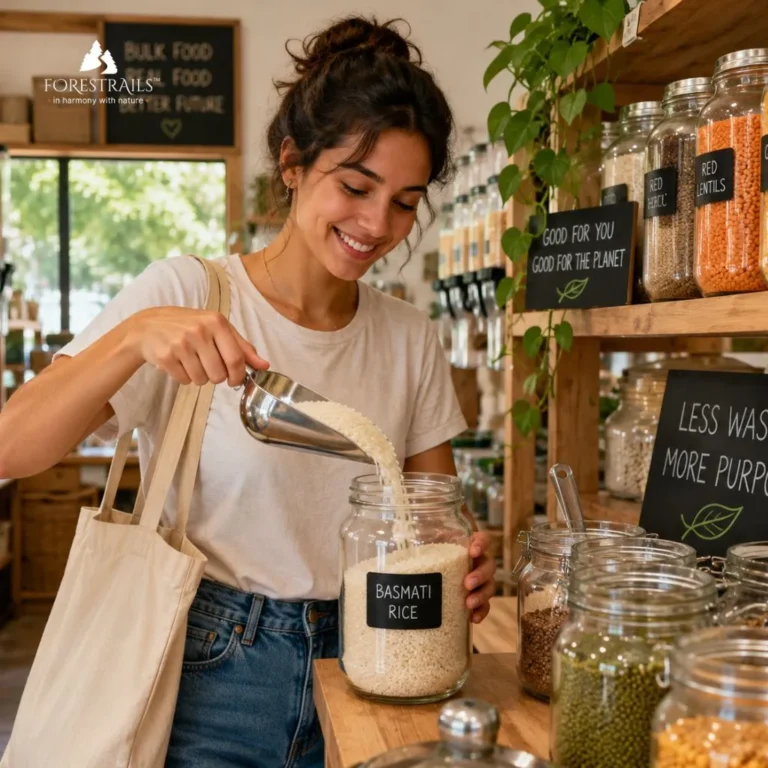
If you’re looking for a place to start, swapping your plastic water bottle for a Forestrails terracotta clay bottle is one of the simplest and most meaningful changes you can make. Naturally plastic-free. Naturally cooling. Crafted by hand in India.
A zero-waste journey is the gradual process of reducing the amount of waste you send to landfills by refusing single-use items, reusing what you have, composting, and choosing sustainable products that last.
Start with a trash audit to see what you throw away most. Then make one swap at a time like replacing a plastic water bottle with a terracotta clay bottle or using cloth bags instead of plastic. Small, consistent steps add up fast.
Not necessarily. Many eco-friendly products like reusable bags, bamboo toothbrushes, and clay water bottles are affordable upfront and save money over time by replacing hundreds of disposables.
Yes. Clay bottles are 100% plastic-free, naturally cool water through evaporation, add trace minerals, and are fully biodegradable. Plastic bottles can leach microplastics into your water over time especially when exposed to heat. Learn more: Clay vs Plastic – What Science Says.
The 5 Rs are Refuse, Reduce, Reuse, Recycle, and Rot. They guide you to think before consuming with “Refuse” being the most impactful first step, because preventing waste is always better than managing it.
Sustainability in everyday life means making choices that meet your needs today without harming the planet’s ability to meet the needs of future generations. It includes everything from what you buy, to how you eat, to what brands you support. Ayurvedic traditions have long practiced this philosophy.
World Rivers Day 2026 falls on September 27. It is a day to stop and think about the rivers that give us water to drink,

Traditional clay products are useful in modern homes because they cook food slowly, keep water and grain cool without power, and break down into soil when you are