
World Rivers Day 2026: What Forestrails Learned About Water While Making Clay Bottles
World Rivers Day 2026 falls on September 27. It is a day to stop and think about the rivers that give us water to drink,

Sustainable living tips are everywhere right now but turning them into real habits? That’s where most of us get stuck. In a world where change often feels like it’s happening at a glacial pace, sustainable living offers a refreshing sense of agency. We all want to be part of the solution, but it can sometimes feel like an uphill battle, especially when the problem seems so massive. But here’s the kicker: small sustainable changes, when adopted by millions of people, can make a massive difference.
So, how do we turn the tide? The answer lies not in grand, sweeping gestures, but in the little things we do every day. From the food we eat to the way we manage waste, every choice has the potential to lead to a more eco-conscious lifestyle. And no, you don’t have to go off the grid or build a composting toilet in your backyard. Sustainable living tips can be as simple as adjusting the way you approach daily habits.
When it comes to sustainable living tips, it’s easy to get overwhelmed but don’t let that stop you. Meaningful change doesn’t have to happen all at once. Start small. Begin with simple swaps that reduce plastic waste and your carbon footprint, then gradually work your way up. It could be something as small as swapping your plastic water bottle for a clay water bottle.
While this might seem insignificant, it’s a subtle yet powerful step towards embracing a more sustainable living lifestyle. Using natural reusable materials instead of disposable plastics is an everyday victory for the planet. In fact, this seemingly small gesture is part of the larger movement towards reduce plastic waste efforts, which cause immense harm to our oceans and wildlife.
Want to understand why material matters? Read our guide on clay vs. plastic bottles which is better for you and the planet. But hey, we’re not here just to talk about clay bottles let’s dive into other impactful ideas!

Eco-friendly habits start in your kitchen. According to the Food and Agriculture Organization of the United Nations (FAO), about one-third of all food produced worldwide goes to waste roughly 1.3 billion tonnes every year. While we can’t control global food systems, we can certainly be mindful of what we’re throwing away.
One way to tackle this? Get creative with leftovers. Transform last night’s dinner into tomorrow’s lunch, or use veggie scraps to make broth. Even composting your food waste helps, turning your leftovers into valuable nutrients for your garden. It’s these small sustainable changes that can have a real impact on reducing food waste and creating a more sustainable living world.
Think of it this way: each time you repurpose food scraps, you’re making a statement that waste isn’t welcome in your home. You’re not just saving money; you’re contributing to a more mindful consumption way of living.

You’ve heard it before: “Grow your own food.” But there’s a reason it’s such a popular piece of advice. Growing your own veggies, herbs, and fruits in your garden (or even on your windowsill) not only supports your eco-friendly habits, but it also makes a significant difference to your carbon footprint. Local food doesn’t need to be transported thousands of miles, so you’re cutting down on emissions right from your backyard.
And no, you don’t need a sprawling farm to get started. A small container garden on your balcony or a few potted herbs on the windowsill can still be incredibly impactful. This habit directly aligns with the UN Sustainable Development Goal 12: Responsible Consumption and Production. Plus, there’s something magical about picking fresh basil for your pizza or plucking a ripe tomato straight off the vine it’s the connection to nature that planet-friendly habits are built on.
So, start small. Grow what you can, and soon enough, you’ll have your own mini sustainable farm right at home!
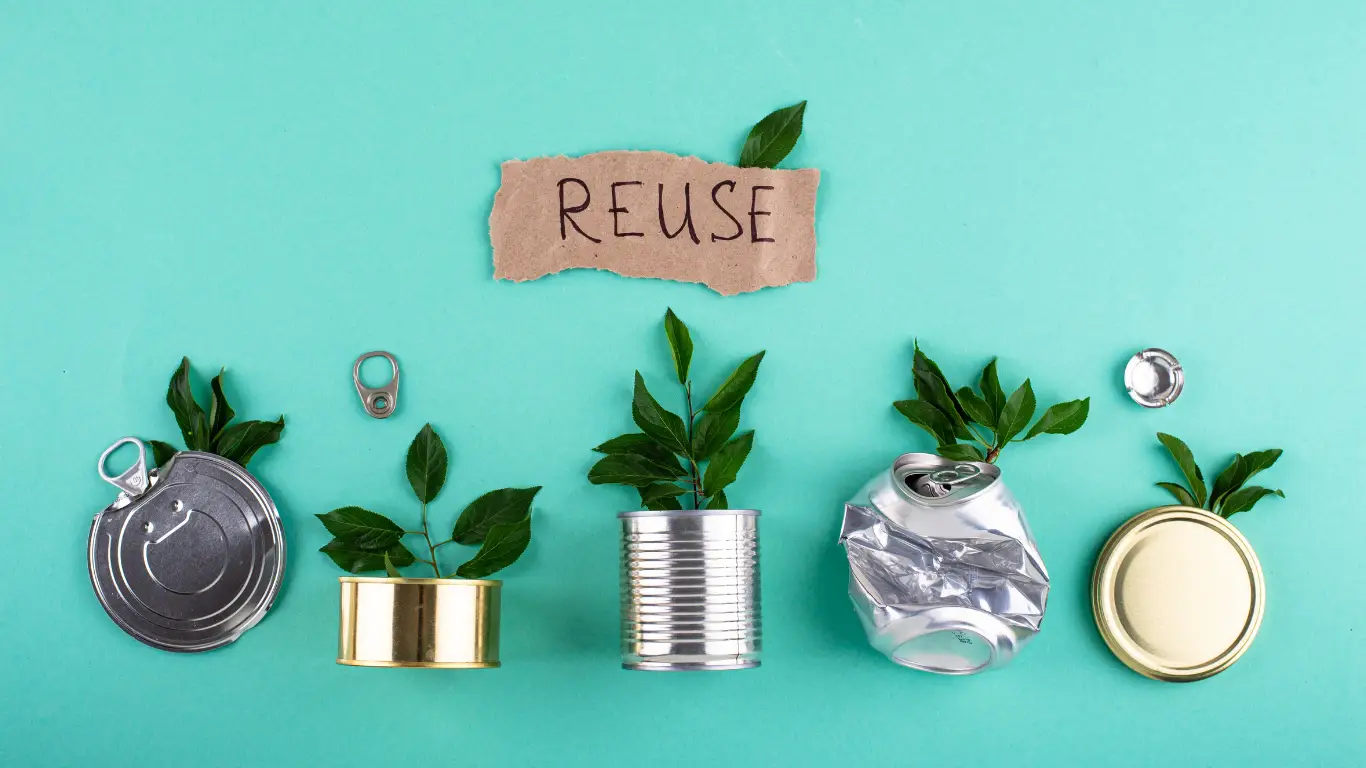
Did you know that over 8 million tonnes of plastic waste end up in our oceans every year? According to Plastic Oceans International, this isn’t just a marine issue it’s an environmental crisis that affects everyone, everywhere. So, what can we do about it?
It all starts with our commitment to reduce plastic waste. A reusable cloth bag for groceries, bamboo cutlery for meals on the go, and stainless steel containers for leftovers all make a huge difference. But what’s often overlooked is the impact of our small daily choices. For instance, switching from disposable plastic straws to a planet-friendly alternative say, metal or paper might seem small, but the cumulative effect of millions of people making this change is huge.
And let’s not forget the importance of investing in green home practices. Whether it’s Forestrails, which offers sustainable products like eco-friendly bottles, or other companies pushing the boundaries of eco-friendly innovation, we should actively support businesses that prioritise the planet. Doing so not only keeps waste out of landfills but also promotes a culture of sustainable living.

Did you know that the fashion industry is responsible for 10% of global carbon emissions? If you think that’s an alarming statistic, you’re not alone. The fast fashion industry churns out new clothes at a pace that is both unsustainable and environmentally harmful. But here’s the good news: you can fight back, one outfit at a time. Doodlage is a great example they’re making a huge difference by turning old garments into fresh, stylish pieces, reducing waste, and giving a second life to materials that would otherwise end up in landfills.
Sustainable fashion is all about making more mindful decisions. Opt for clothing made from natural reusable materials biodegradable fabrics like organic cotton, linen, or bamboo. You can also shop second-hand or swap clothes with friends. Not only will this reduce demand for fast fashion, it’ll also introduce you to one-of-a-kind pieces that’ll make your wardrobe stand out. Find more actionable ideas in our complete sustainable fashion guide.
Remember, it’s not about throwing away all your clothes and starting over. It’s about making thoughtful choices that align with a sustainable living future. Every time you choose to shop sustainably, you’re sending a message to the fashion industry that things need to change.

A significant portion of our carbon footprint comes from transportation. From driving to flying, emissions from vehicles contribute to global warming. But the good news is that you don’t have to ditch travel altogether just rethink how you get from point A to point B as part of your eco-conscious lifestyle.
Start by using public transportation, cycling, or walking more often. Carpooling is another great option to reduce the number of cars on the road. If you’re in the market for a new vehicle, consider electric or hybrid cars that have a smaller environmental impact.
The beauty of green travel is that it doesn’t just benefit the environment it benefits your health too. Less time in a car means more time walking or cycling, which is good for your body and mind. It’s a win for the planet and a win for you.
In today’s consumer-driven society, we’re constantly bombarded with the idea that we need more. More clothes, more gadgets, more stuff. But in reality, minimalism can be a powerful tool for a zero waste lifestyle.
By embracing the idea of owning less, we reduce waste and demand for resources. According to the Ellen MacArthur Foundation, circular economy principles buying less, keeping products longer, and reusing can reduce global greenhouse gas emissions from key industries by up to 45%. Opt for quality over quantity, and choose items designed to last. Declutter your space, get rid of what you no longer need, and focus on the essentials.
Minimalism isn’t just about being frugal it’s about mindful consumption and understanding that “more” doesn’t always equate to “better.” By making small sustainable changes, we can create a cleaner, greener world while enjoying the freedom that comes with owning less. It’s one of the most underrated sustainable living tips that costs absolutely nothing to start.

Sustainable living tips aren’t a destination they’re a journey. It’s about making consistent, small sustainable changes that, when added together, have a big impact. Each decision whether it’s swapping plastic for sustainable alternatives, reducing food waste, or supporting eco-friendly habits contributes to a healthier planet.
Instead of looking at sustainability as something daunting, consider it a collection of easy, daily decisions that make you feel good and do good. For more evidence-backed guidance, the World Health Organization’s report on climate change and health offers important context on why these choices matter and The Zero-Waste Chef by Anne-Marie Bonneau is a great further read.
If we all commit to making just one small sustainable change today, imagine the ripple effect it could have. So, go ahead embrace sustainable living. Whether you start with something as small as a clay bottle or with a more significant lifestyle shift, every change matters. After all, it’s the little things that lead to big results.
One of the simplest first swaps people make on their sustainable living journey is what they carry water in. If you’re curious about moving away from plastic, our handcrafted Forestrails clay water bottle is made entirely from natural clay no plastics, no synthetics, just earth. It keeps water naturally cool and mineral-rich. Worth a look when you’re ready.
Start with simple swaps: replace single-use plastics with natural reusable materials, reduce food waste by repurposing leftovers, and build one eco-friendly habit at a time. No grand overhaul needed.
A zero waste lifestyle cuts the energy and resources spent on producing, transporting, and disposing of goods directly lowering greenhouse gas emissions across your daily carbon footprint.
Conscious consumerism means making purchasing decisions that consider environmental and social impact choosing quality, sustainable, and ethical products over cheap, disposable ones. It’s central to a lasting eco-conscious lifestyle.
World Rivers Day 2026 falls on September 27. It is a day to stop and think about the rivers that give us water to drink,

Traditional clay products are useful in modern homes because they cook food slowly, keep water and grain cool without power, and break down into soil when you are